Affordable Lot Clearing Florence Region
Learn about the Essential Services Offered by a Professional Arborist for Healthy Trees
A professional arborist provides numerous services vital for ensuring tree wellness and enhancing landscapes. Their expertise in tree pruning encourages growth and minimizes threats. They also assess and handle tree diseases, guaranteeing customized treatment plans are implemented - Florence Arborist. Additionally, arborists manage secure tree removal and help with planting and transplanting. Their role is especially important during critical situations like storm damage. Understanding these services can profoundly influence one’s approach to tree care
The Significance of Tree Pruning
Although many homeowners often neglect the necessity of tree pruning, it serves a vital function in maintaining the health and aesthetics of trees. Proper pruning aids trees in developing a robust structure, eliminating dead or infected limbs that could create hazards. By selectively trimming branches, the tree can concentrate its resources on healthy growth, fostering superior air movement and sunlight penetration. Additionally, pruning can boost the aesthetics of the tree, contouring it for attractiveness in residential landscapes.
Moreover, regular pruning can avert future risks, such as falling branches during storms or high winds, which could cause property destruction or cause personal injury. It also assists in avoiding of pest outbreaks and diseases by boosting the tree's resistance. Ultimately, hiring professional arborists for tree pruning makes sure trees are kept healthy, safe, and aesthetically appealing, greatly contributing to the overall beauty and value of the property.
Assessing and Handling Tree Diseases
Tree health can be significantly impacted by various diseases that may not always be readily apparent. A professional arborist is crucial in detecting these problems soon, utilizing a combination of visual inspections and diagnostic tools. Symptoms such as discolored leaves, wilting, or abnormal growth habits often point to underlying wellness concerns. Arborists examine these indicators to determine exact ailments, whether fungal, bacterial, or viral in nature.
After a diagnosis is made, the professional designs a bespoke care program. The plan often involves specific applications, such as bactericides or fungicides, and maintenance techniques that boost the tree's resistance. Additionally, adequate irrigation, the application of mulch, and fertilization can considerably improve the vitality of the tree and ability to fight off illness. Routine check-ups and further interventions are necessary for successful control, guaranteeing the lifespan and vigor of the trees. By taking a proactive approach to tree diseases, professionals preserve the environmental value and aesthetic appeal that healthy trees offer.
Guidelines for Safe Tree Removal
Effective tree removal practices are necessary to ensure safety and minimizing damage to surrounding property. Qualified professionals utilize a detailed analysis of the state of the tree, where it is situated, and the immediate vicinity before beginning the felling process. Arborists use specific tools, such as chainsaws and rigging gear, to ensure accurate cutting and control during the felling process.
A well-planned removal strategy requires recognizing risks, such as nearby buildings or utility lines, which can affect the security of the job. Professionals commonly utilize the process called "sectional dismantling," where the tree is cut down in manageable pieces, minimizing the danger from falling material.
Moreover, arborists adhere to local rules and standards to ensure adherence and ecological responsibility. After the removal, thorough clearing and removal of the tree debris, stump treatment as well, contribute to the overall safety and visual appeal of the area.
Tree Planting and Relocation
The process of tree establishment requires careful consideration of choosing the location and installation methods to ensure future vitality and development. Choosing the correct site significantly influences a tree's development, whereas good planting practices minimize stress and encourage the tree to thrive. Tree specialists highlight these elements as critical for improving the strength and endurance of trees in various settings.
Proper Site Selection

Choosing the right location for relocating or establishing trees is essential for their future development and vitality. Elements like the condition of the soil, sunlight exposure, and water runoff must be thoroughly assessed. Certified arborists assess the site's characteristics, making sure that the planting location offers sufficient nourishment and stability for the specific tree type. Additionally, the proximity to existing structures and surrounding flora is crucial to stop the fight for nutrients and steer clear of future injury. Tree specialists also factor in the tree’s full-grown dimensions and root structure, guaranteeing enough area for development. Through a comprehensive site evaluation, arborists enable clients choose wisely that foster robust, flourishing trees, which boosts the landscape’s beauty and environmental worth.
Ideal Planting Techniques
Once the site has been carefully assessed and selected, the subsequent get details on this phase requires using optimal methods for planting trees. Preparing the planting hole correctly is crucial; it should be double the diameter of the root system and not deeper than the root mass. The plant must be positioned in the opening so that the crown of the root mass is even with the existing grade. Backfill with native soil, making sure to eliminate air gaps, and soak the area well to help the roots settle in initially. Adding a layer of mulch near the trunk assists in keeping water in and keep weeds down. Florence Arborist. If moving mature plants, it is crucial to limit damage to the roots and transplant during dormancy for the greatest likelihood of thriving. Implementing these practices promotes robust development and extended health
Arborist Action Following Severe Weather
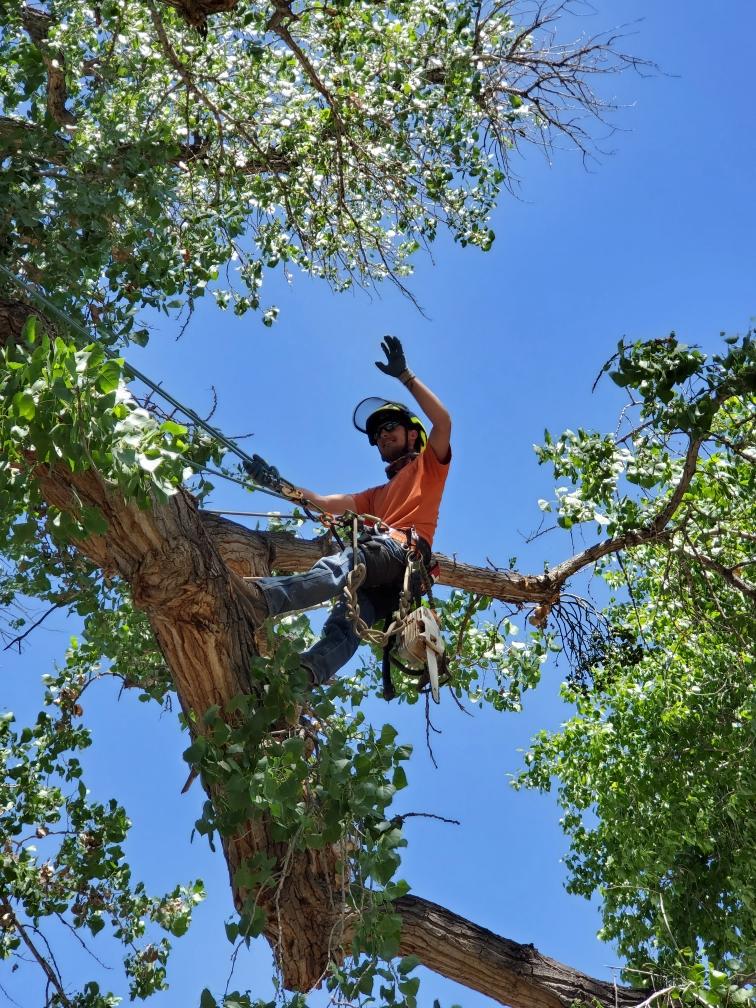
When major tempests hit, the resultant conditions may leave trees in perilous conditions, posing risks to property and safety. Trained arborists are essential in immediate action, inspecting weather-damaged trees to check how safe and healthy they are. Their knowledge enables them to determine which trees are recoverable and which are serious, instant risks that require extraction.
Equipped with specialized tools, arborists can safely prune broken branches and haul away refuse, reducing additional harm to adjacent property. Arborists also offer helpful guidance on risk mitigation, such as choosing sturdy types of trees for future planting.
Beyond just quick action, professionals guide property owners through the future impacts resulting from the weather, giving counsel on how to repair and revive. By acting swiftly and efficiently, certified tree experts safeguard assets but also aid in the recovery of the local environment once the tempest has passed.
Nutrient Assistance and Soil Management
Subsequent to storm damage, the priority becomes the health of remaining trees, highlighting the significance of nutrient assistance and ground care. A qualified tree expert checks ground quality and tree health to figure out exact dietary needs. Trees need vital elements, including nitrogen, phosphorus, and potassium, to bounce back and flourish following stressful periods.
Earth maintenance plays an essential role in nutrient availability and root growth. Experts might advise soil amendments, like organic matter, to boost soil structure and the action of microorganisms. Proper pH levels are also evaluated, as they affect nutrient uptake.
Incorporating mulching techniques can keep the ground moist and keep weeds down, making a suitable condition for the tree's recuperation. By developing a thorough nutritional plan and implementing effective soil management strategies, arborists make certain trees regain strength, resilience, and overall health, vital for maintaining a balanced ecosystem after major environmental events.
Common Queries
What is the Recommended Inspection Frequency?
Trees should be checked once a year for optimal condition. Yet, more frequent evaluations might be required for younger trees, following harsh storms, or if any signs of distress or disease are observed.
What Expertise is Needed in an Arborist?
When hiring a tree specialist, one should prioritize certifications such as ISA (the ISA) accreditation, relevant experience, adequate protection, and a strong reputation locally, ensuring expertise in tree care and safe procedures.
Do Arborists Utilize Special Equipment for Tree Care?
Arborists use various specialized tools for tree care, such as chainsaws, pruning shears, climbing gear, and stump grinders. Every piece of equipment has a distinct function, ensuring effective maintenance, pruning, and removal of trees and boosting total well-being and safety.
How Do Weather Conditions Affect Tree Health?
The state of the weather strongly influences tree health; heavy rainfall may result in root rot, while lack of water weakens trees. Temperature extremes can lead to the destruction of leaves and branches, ultimately affecting growth, sturdiness, and general health of the trees.
Should I handle my own tree maintenance, or Is it better to hire an expert?
Although certain simple tree maintenance jobs can be done by people themselves, it is usually recommended to hire an expert - Florence Arborist. Experts possess specialized knowledge and tools, ensuring that trees receive the proper care necessary for optimal development and health